


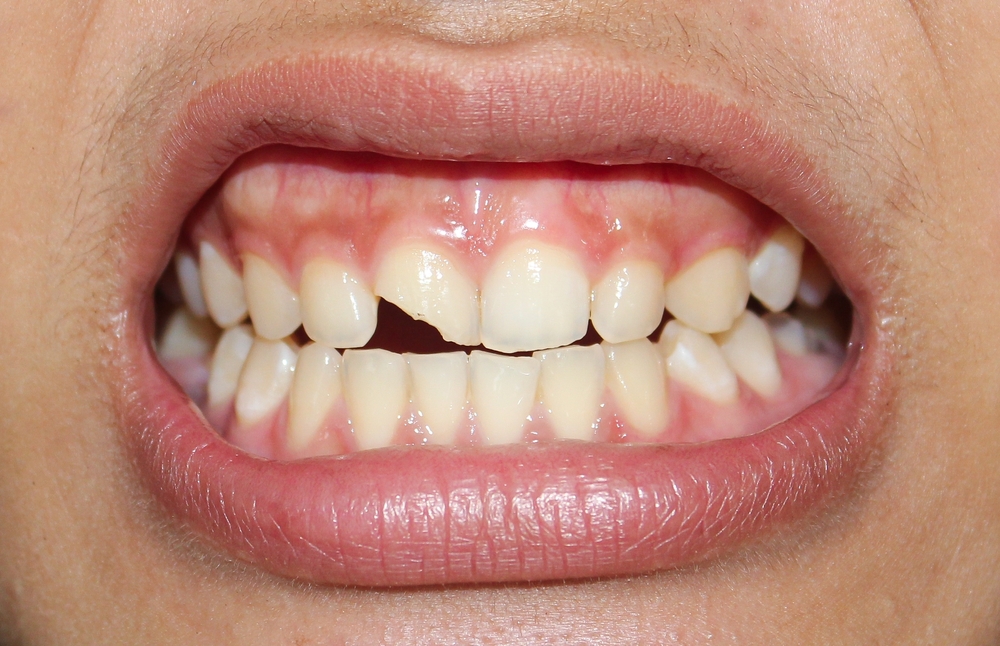
Dental emergencies can happen suddenly and often need prompt care to relieve pain, protect your oral health, and prevent the problem from getting worse. Emergency dental care focuses on diagnosing the issue quickly and providing the right treatment as soon as possible.
What Is Considered A Dental Emergency?
A dental emergency is any urgent dental problem that causes significant pain, bleeding, swelling, infection, or damage to the teeth, gums, or jaw. Some emergencies happen after an accident or injury, while others develop from untreated decay, infection, or weakened dental work.
Common dental emergencies include:
Severe toothache or ongoing tooth pain - Rinse your mouth gently, avoid chewing on that side, and call our office as soon as possible.
Cracked, chipped, or broken tooth - Save any pieces if you can, rinse with warm water, and avoid biting down on the damaged tooth.
Tooth abscess or dental infection - Do not ignore swelling, pus, fever, or severe pain. Contact our office promptly for care.
Knocked-out tooth, also called an avulsed tooth - Hold the tooth by the crown, avoid touching the root, and keep it moist in milk or saliva while seeking immediate care.
Lost filling, crown, or dental restoration - Keep the restoration if you have it, avoid sticky or hard foods, and schedule a visit to protect the tooth.
Swollen gums, face, or jaw - Use a cold compress and contact the office, especially if swelling is worsening or painful.
Bleeding that does not stop - Apply gentle pressure with clean gauze and seek urgent dental care if bleeding continues.
Pain when biting or chewing - Stop chewing on that side and schedule an exam to check for a cracked tooth, infection, or bite problem.
Injury to the lips, gums, teeth, or mouth - Rinse gently, control bleeding with light pressure, and contact the office for guidance.
Quick Links
Helpful Articles

Dental
Services

Keep
In Touch

Contact Info
Hours of Operation
- Monday 8:00AM - 5:00PM
- Tuesday 8:00AM - 5:00PM
- Wednesday 8:00AM - 5:00PM
- Thursday 8:00AM - 5:00PM
- Friday By Appointment Only
- Saturday Closed
- Sunday Closed
© 2025 Elite Dentistry & Implant Center - All Rights Reserved | Accessibility Statement
Powered by:

